Diving the Gili Islands & Lombok
Diving Lombok and the Gili Islands, Indonesia: easy turtle-filled reefs, the Gili wall dives, and real depths, temperatures and site ratings from dives logged on Currents.
Dive sites
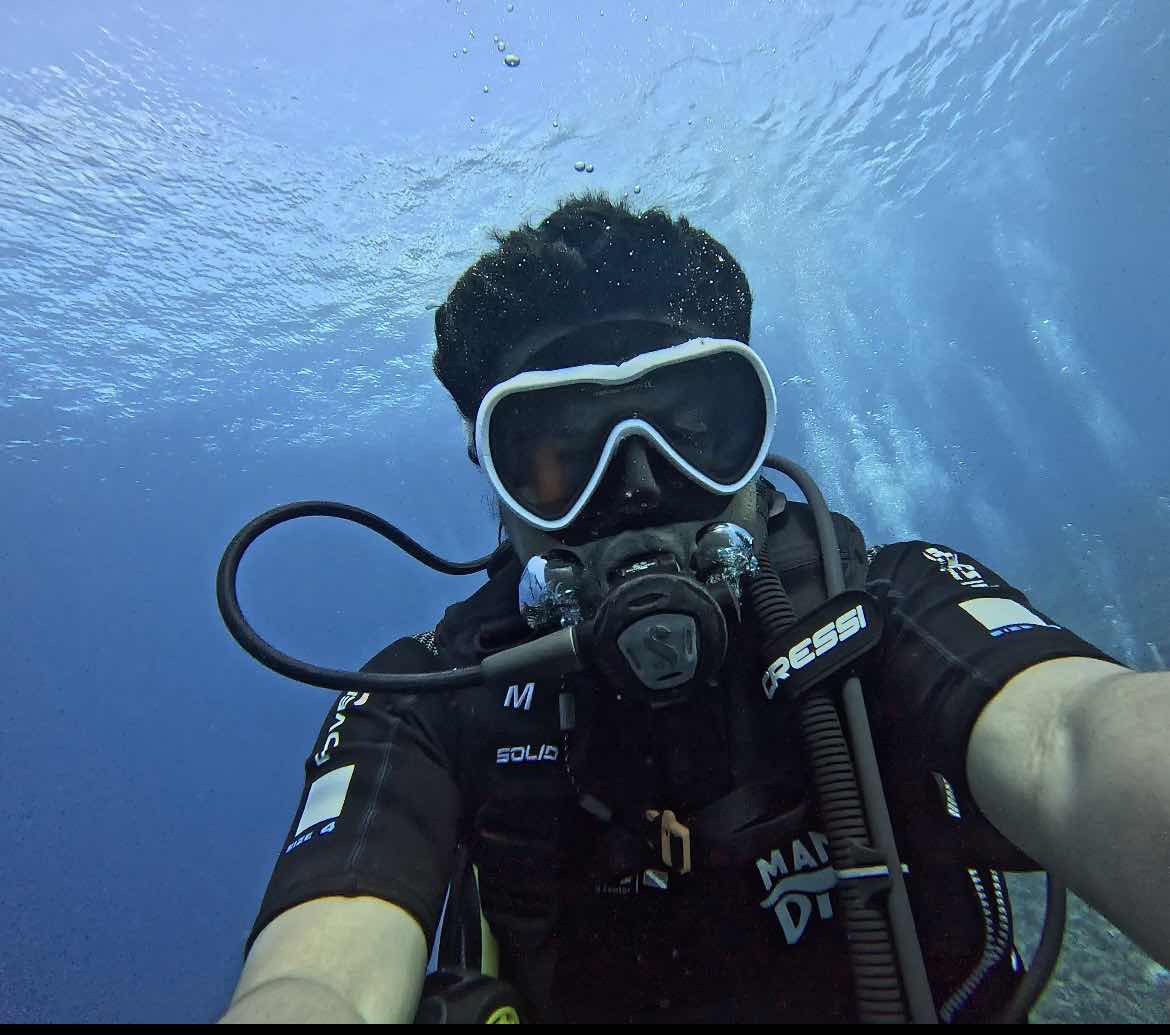
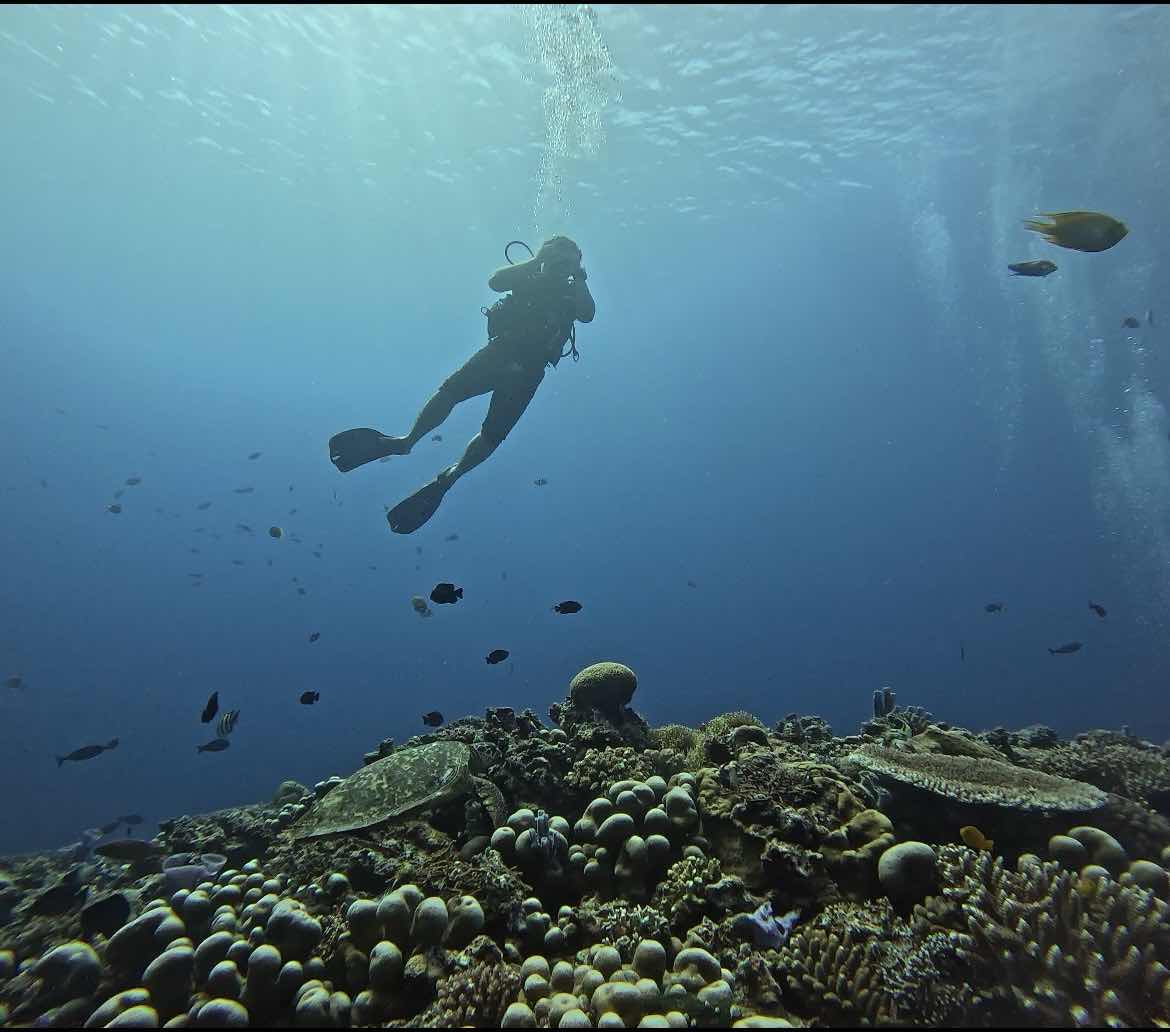
A classic, easy wall dive off Gili Meno with turtle cleaning stations along the reef.
A popular reef and drift dive off Gili Trawangan, known for turtles and reef fish over sloping coral.
A sunken pontoon near Gili Meno, now an artificial reef draped in coral and easy to explore in the shallows.
A reef and slope where whitetip and blacktip reef sharks are regularly seen, along with turtles.
Photos and reviews from dives logged here by the Currents community.
Lombok and its three small Gili islands, Trawangan, Meno and Air, sit just east of Bali and are one of the most popular places in Indonesia to learn to dive or log easy, warm-water reef dives. The figures on this page are drawn from dives that Currents divers have logged and shared here.
Why divers come
The Gilis are best known for green and hawksbill turtles, which are common on almost every dive, along with easy reefs, gentle profiles and a relaxed scene that suits new divers. Conditions are warm year-round, and the diving ranges from shallow coral gardens to deeper walls and a few artificial-reef and wreck sites.
Conditions
Water here is warm, and the depths, temperatures and dive times in the panel above come from the logged dives rather than a brochure. Currents can be present on some of the channel sites between the islands, so drift dives are part of the mix, but much of the diving is calm and beginner-friendly.
Getting there
Lombok is reached by fast boat from Bali or by air to Lombok International Airport, then a short transfer and boat to the Gilis. Dive operators on all three islands run daily boats and courses; prices vary by operator and season.

Log your dives, rate the sites, and leave reviews. Your logs help build pages like this one.
Get Currents — free