Best Dive Sites for Beginners in 2026: Where to Log Your First 20 Dives
Newly certified divers tend to ask "where should I dive?" when the more useful question is "what makes a site good for someone with 10 logged dives instead of 100?" The two lists overlap less than you'd think. Here's what matters early on, and specific sites worth seeking out.
What Makes a Site Good for a New Diver
Consistent visibility. Sites with reliably clear water (15m/50ft or better) let you see your buddy, your guide, and the reef clearly, which matters far more for comfort and safety than any other single factor when you're still building basic awareness underwater.
Minimal current. Drift dives are properly fun once you have the skills to manage them. As a new diver, current adds task-loading you don't need yet, on top of buoyancy, air management, and just getting used to breathing underwater. Look for protected bays, lagoons, and sites explicitly described as "easy" or "beginner-friendly" in local dive shop descriptions.
Shallow max depth, with a gentle slope rather than a wall. A site that tops out around 12-18m gives you longer bottom times on a single tank and more margin for error. A gradual sandy slope is more forgiving than a sheer wall if your buoyancy control is still a work in progress.
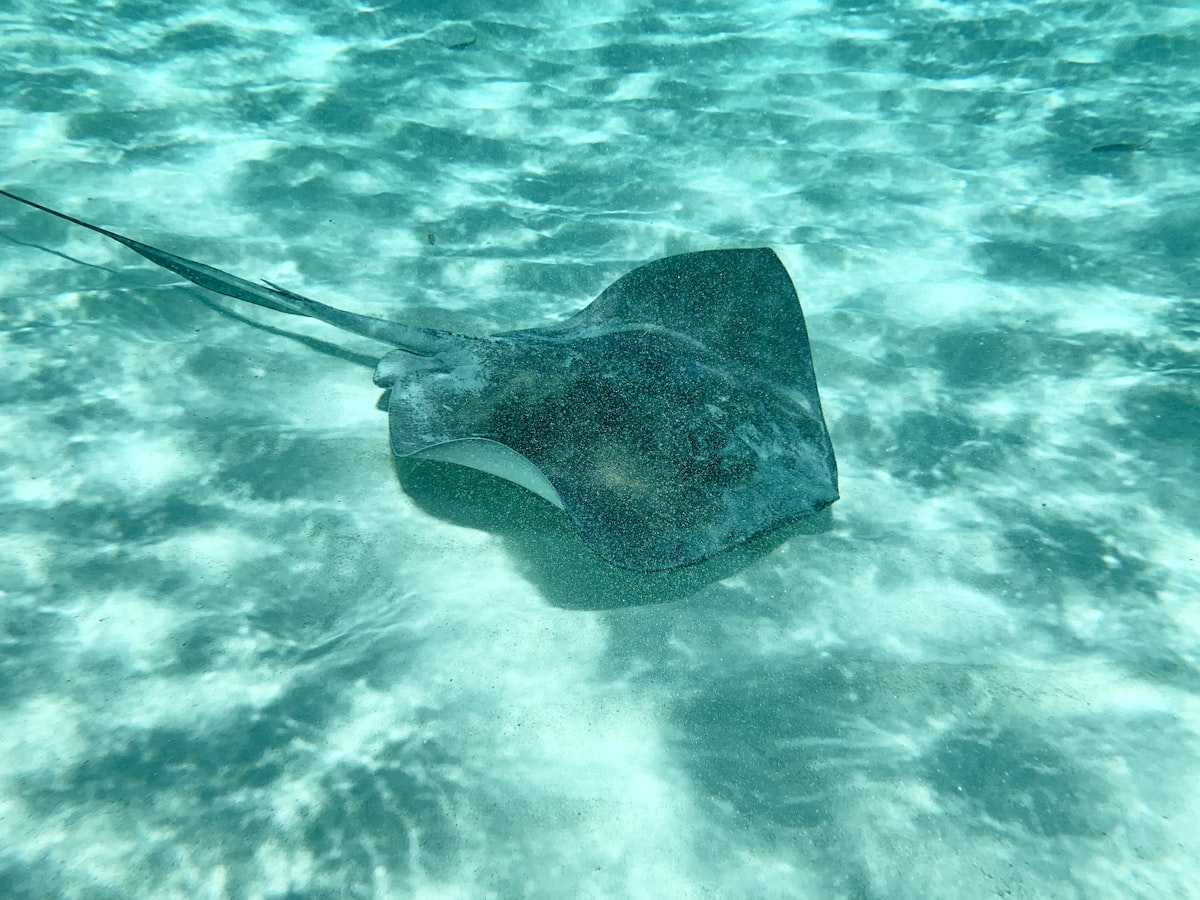
Something worth looking at. Clear, current-free water over a flat sandy bottom is easy, but boring, and boring dives are how new divers lose interest. The best beginner sites combine easy conditions with varied marine life: reef fish, turtles, easy macro life, the occasional ray.
An operator that runs small groups. This matters more than the site itself. A good guide watching four divers closely will catch problems and build your skills faster than an excellent site with a guide watching twelve.
Specific Sites Worth Seeking Out
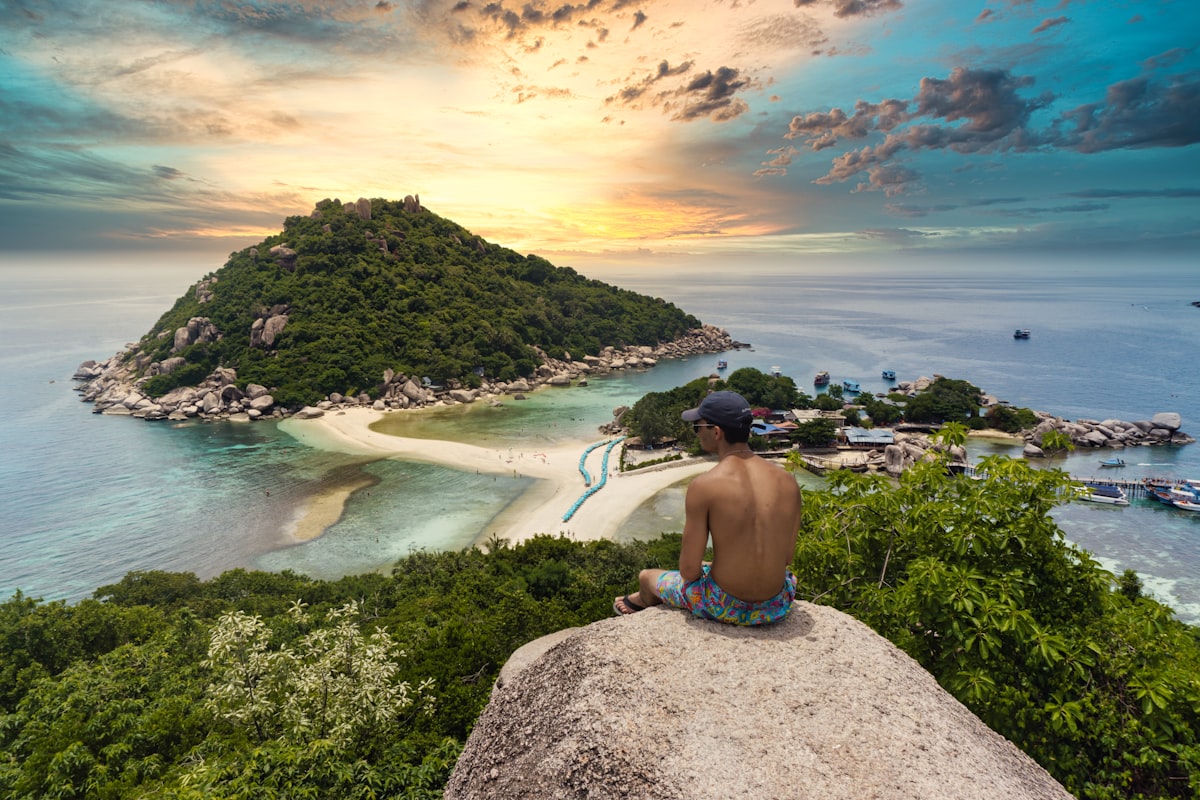
Koh Tao, Thailand. One of the highest volumes of Open Water certifications in the world for a reason: shallow, calm, warm, and cheap, with enough soft coral and reef fish to keep every dive interesting. Sites like Twins and Japanese Gardens are close to ideal first-20-dives conditions.
Cozumel, Mexico (the shallower sites). Cozumel's famous walls and current-driven drift dives are for divers with more experience, but sites like Paradise Reef and Chankanaab sit in the 8-15m range with minimal current and are well suited to building skills before you graduate to the more advanced sites just a boat ride away.
Bunaken, Indonesia. Warm, clear, and biodiverse, with a mix of gentle slope sites suitable for beginners and steeper walls to grow into as you log more dives without needing to change destinations.
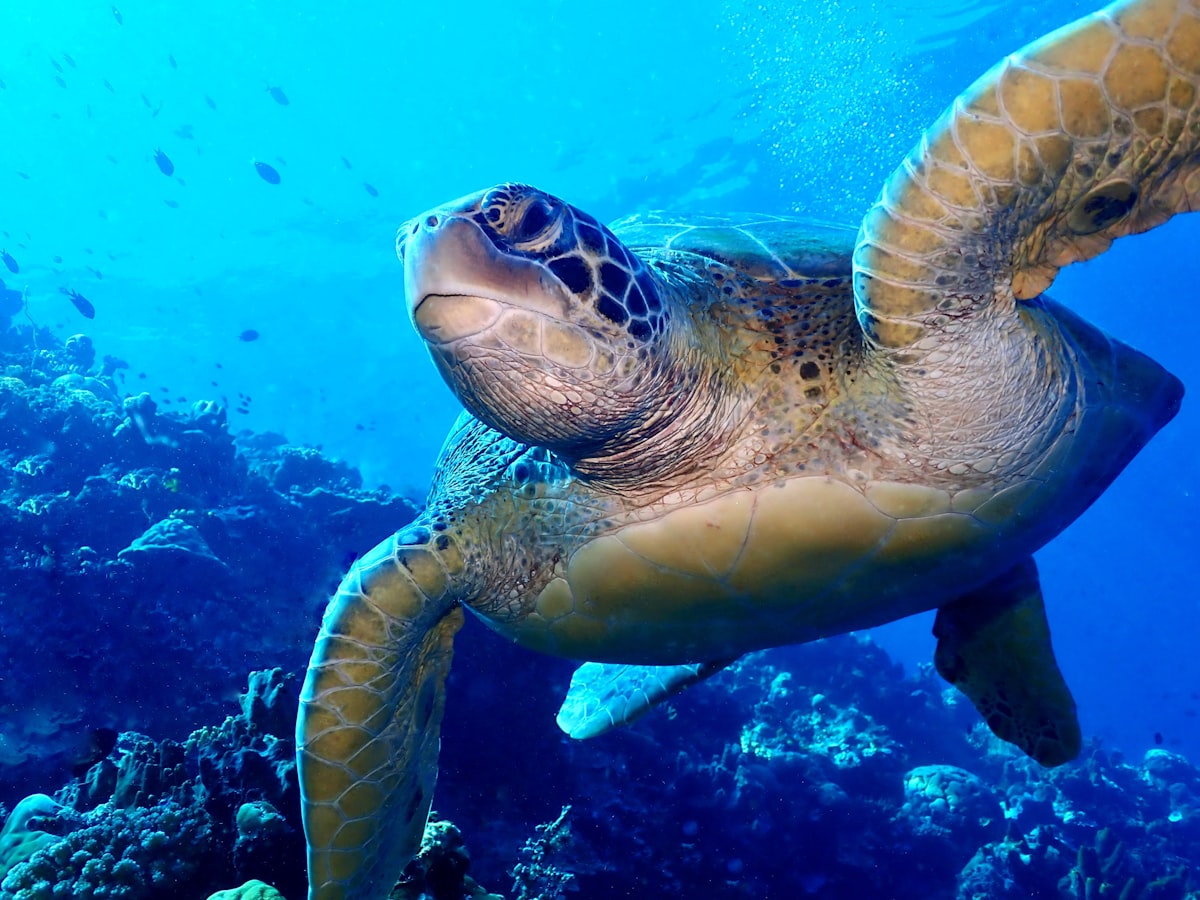
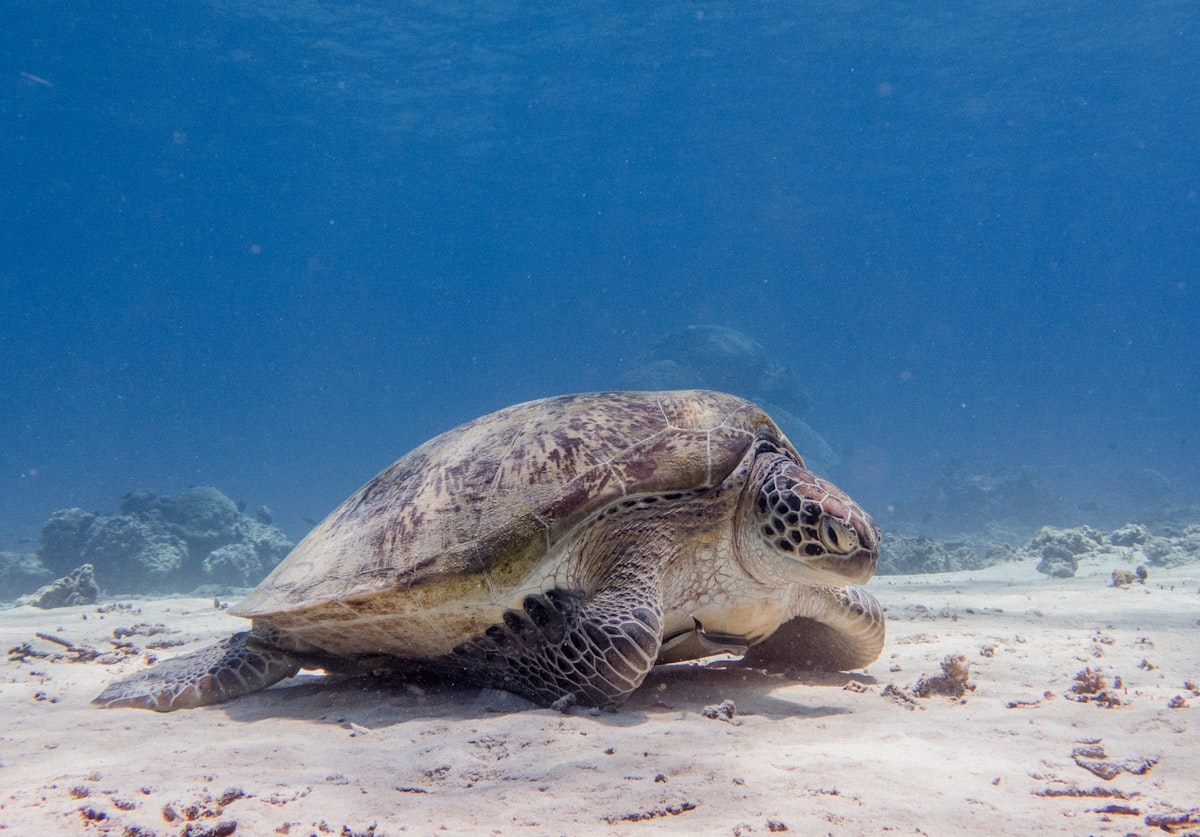
Gili Islands, Indonesia. Calm, shallow house reefs right off the beach at several sites make this one of the easiest places in Southeast Asia to rack up your first dozen logged dives, including regular turtle sightings that make even repetitive sites feel worthwhile.
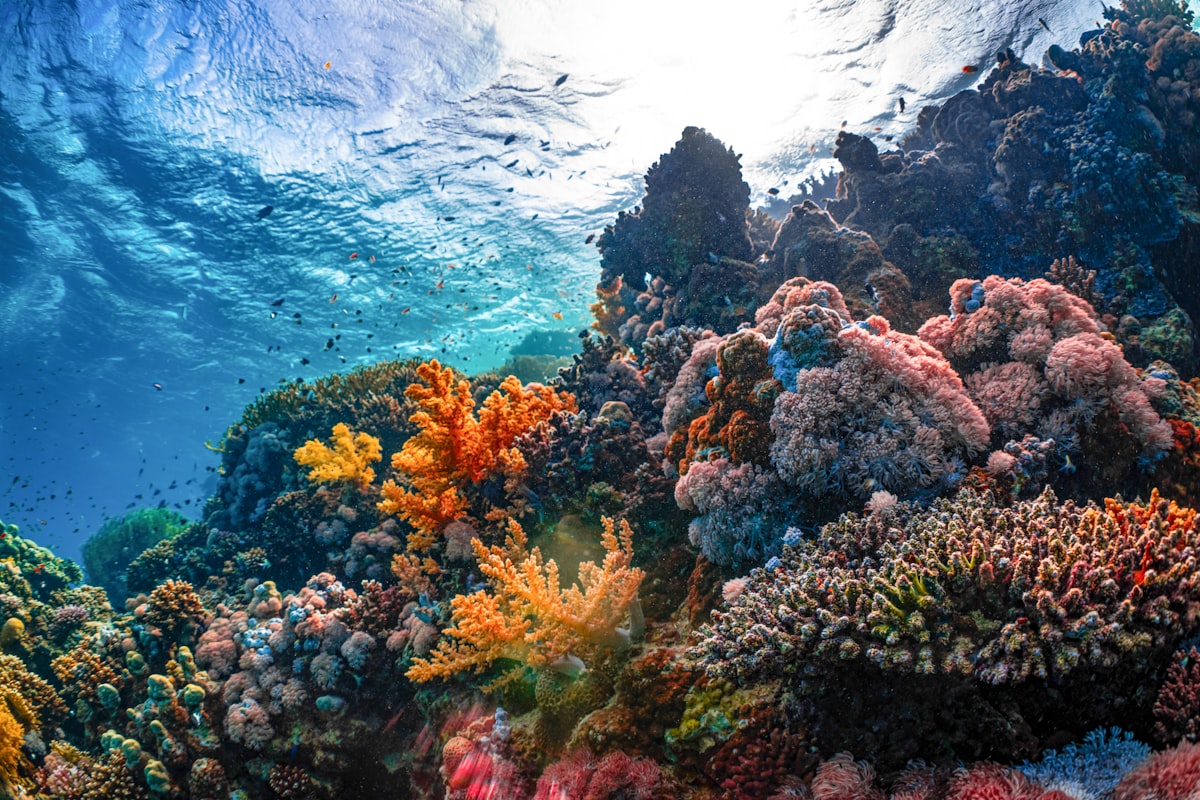
Red Sea house reefs (Egypt). Sites accessible directly from shore near Dahab and parts of Sharm el-Sheikh offer exceptional visibility and easy entries, letting you dive on your own schedule without a boat, which matters more than it sounds when you're still figuring out your pace.
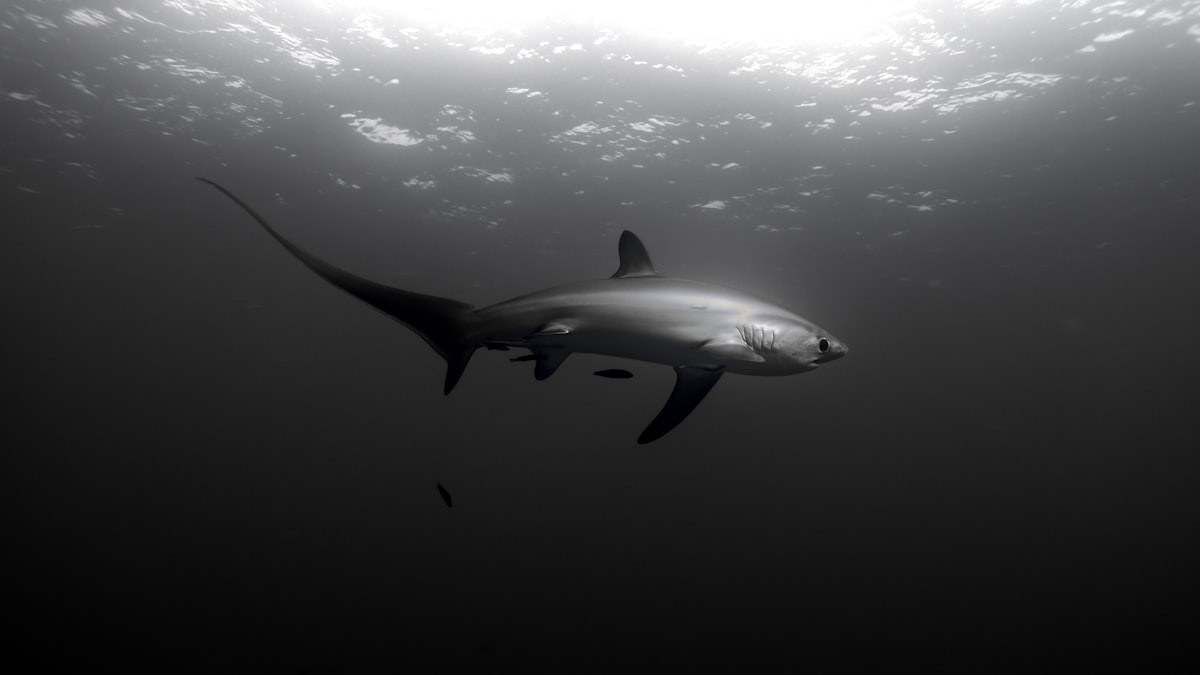
Malapascua, Philippines (the shallower reef sites, not Monad Shoal). Malapascua is best known for early-morning thresher shark dives at Monad Shoal, which involve deeper, current-exposed conditions better suited to certified divers with more experience. But the island's shallower house reefs are calm, warm, and a solid place to build the fundamentals before working up to the shark dive that put the island on the map.
What to Skip Early On
Save these for once you've got 20-30 dives logged and specialty training under your belt: strong drift dives, wreck penetrations, anything requiring a deep or advanced certification, cave or cavern systems, and sites explicitly marked as advanced or technical by local operators. They'll still be there. Building a solid foundation of comfortable, well-logged dives first makes you a safer and more capable diver when you do move up to them.
Track Where You've Been
Part of what makes a "best beginner sites" list useful is being able to check sites off as you go and remember what you thought of each one, not just what a blog told you to expect. Currents' Explore feature covers 10,000+ dive sites worldwide with diver reviews, conditions, and marine life reports, so you can plan your next destination based on what other divers are seeing there this month, not a guide written two years ago.
Once you've logged a few dives at any of these, my guide on understanding your SAC rate is a good next read, since air consumption is usually the first metric that clearly shows how much more comfortable you've gotten since dive one.